If you’re new to gardening, you’re in the right place. Gardenrichness is for people who are just getting started, maybe with a balcony, a small yard, or even a sunny window, and want to grow something real without feeling overwhelmed.
Gardening can look complicated from the outside, like you need years of experience or a huge backyard. You don’t. You can start with a few basic tools, a couple of easy plants, and a willingness to experiment. We’ll learn as we go, stack small wins, and turn whatever space you have into something green and alive.
Watching a plant you put in the soil actually grow hits differently. A tiny seed turning into a leafy basil plant, or your first red tomato hanging from a container, feels like a real win in the middle of everyday life. My goal is to help you get that feeling again and again, while also figuring out which tools are worth your money and which gardens are worth visiting.
Essential Gardening Gear for Beginners (No Extra Fluff)
You don’t need a garage full of gear to start gardening. For beginners, a small set of reliable tools makes everything easier and keeps you from tearing up your hands or your plants.
Gloves you actually want to wear
Start with a good pair of gardening gloves. They protect your hands from thorns, rough soil, and blisters when you’re digging around in pots or raised beds. Look for gloves that are:
- Breathable so your hands don’t get super sweaty
- Snug but not tight
- Reinforced at the fingertips so they don’t rip right away
You’ll use them almost every time you garden, so it’s worth buying a pair that lasts.
A simple trowel and pruners
Next, grab two basic hand tools:
- Trowel, a small hand shovel for digging holes, planting seedlings, and moving soil. Pick one with a comfortable, grippy handle so your wrist doesn’t hate you after a long session.
- Pruners, for trimming dead leaves, cutting herbs, and keeping plants from getting wild. Lightweight, sharp pruners you can lock closed are perfect for beginners.
With just these two tools, you can plant, tidy, and harvest a surprising amount.
Better soil: compost and a basic fertilizer
Plants care more about the soil than about fancy pots. To give them a good start, add:
- Compost to improve texture and add nutrients.
- A simple organic fertilizer labeled for vegetables or flowers, depending on what you’re growing.
If you have a local garden center, ask what mix works best in your area. They’ll usually point you toward a basic combo that’s hard to mess up.
With gloves, a trowel, pruners, and better soil, you’re already set up better than most first-time gardeners. → See our top beginner gear picks on Amazon
Picking Your First Plants (So You Actually See Results)
Choosing the right plants is where a lot of beginners either fall in love with gardening or give up. For your first round, keep it easy and fast so you can see results and stay motivated.
Easy herbs for quick wins
Herbs are some of the friendliest starter plants:
- Basil, loves warmth and regular water, great in pots.
- Mint, very forgiving; it will try to take over, so containers are perfect.
- Chives, tough, come back year after year in many climates.
They grow quickly, smell great, and you can use them in your cooking.
Beginner-friendly vegetables
If you want to grow food, start with veggies that don’t need a huge yard:
- Lettuce, grows fast and doesn’t need deep soil.
- Radishes, pop up quickly and are fun to pull from the soil.
- Cherry tomatoes, perfect for containers, and you get a lot of fruit from one plant if it gets enough sun.
These can live on balconies, patios, or small beds and give you something to harvest in weeks, not years.
Low-stress flowers for color
For color without drama, try:
- Marigolds
- Pansies
- Sunflowers
They handle a bit of neglect and still show up for you with bright flowers.
Match plants to your real conditions
Before you buy anything, check:
- How many hours of sun your space gets (full sun, part shade, or mostly shade).
- Your local climate / hardiness zone and last frost date.
When you match plants to your actual space instead of guessing, everything gets easier. And if something fails, don’t beat yourself up, that’s just data for the next planting round. → Browse beginner-friendly seeds and starter kits on Amazon
Common Beginner Mistakes (And How to Dodge Them)
Every new gardener makes mistakes. The key is to learn from them instead of letting them convince you you’re “bad at plants.”
1. Overwatering everything
Most beginners think more water = more growth. Not true. Too much water can suffocate roots and cause rot.
- Check the top inch of soil. If it’s dry, water. If it’s still damp, wait.
- Make sure your pots have drainage holes so extra water can escape.
2. Putting plants in the wrong light
Some plants love full sun; others want shade. If you put a shade plant in hot afternoon sun, it will struggle no matter how much you baby it.
- Read the plant tag or description.
- Notice where the sun actually hits your space during the day, not where you wish it did.
3. Ignoring the soil
Plants in poor, compacted soil grow slowly and get sick more easily.
- Mix in compost before planting.
- If you’re using containers, choose a good potting mix rather than digging up yard soil.
Every “fail” teaches you something: maybe that tomatoes need more light where you live, or that your pots dry out faster than you thought. Keep notes if it helps, next season, you’ll have your own custom guide instead of starting from zero.
Visiting Botanical Gardens for Ideas & Inspiration
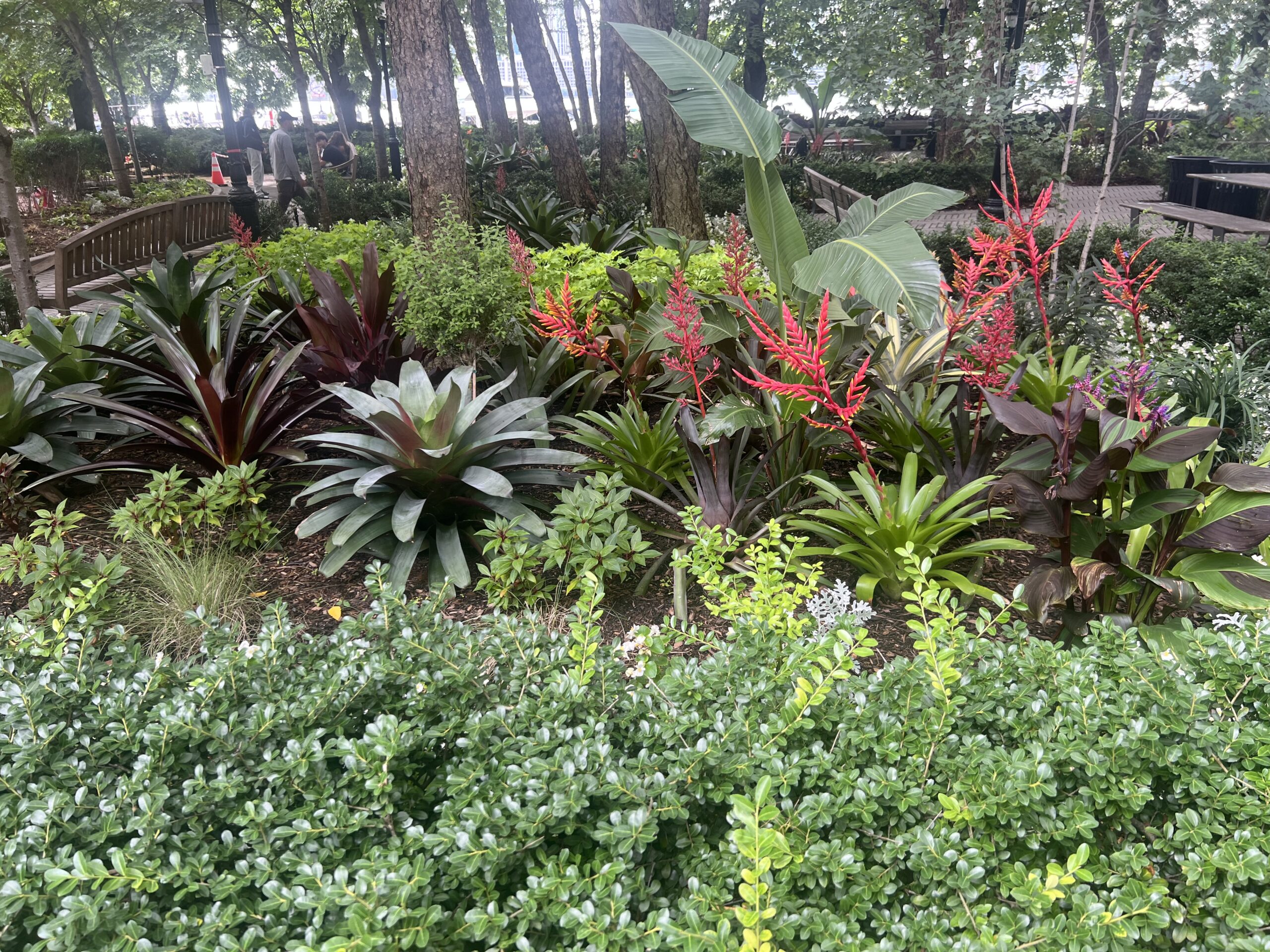
If you ever feel stuck or uninspired, visit a botanical garden. Think of it like walking through a live Pinterest board for plants.
You’ll see:
- How pros group plants by color, height, and texture
- What thrives in your local climate
- Real-life examples of containers, raised beds, and pathways
A lot of gardens also offer tours, workshops, and signs that explain what you’re looking at. Take photos of combinations you love and use them as inspiration when you plan your own space.
If you’re traveling, look for hotels near big public gardens or botanical gardens and make a day out of it. That’s where the “garden travel” side of Gardenrichness comes in, I’ll be sharing guides to gardens worth visiting and nearby places to stay.
Volunteering: Learn Faster by Getting Your Hands Dirty
One of the fastest ways to get comfortable with plants is to volunteer at a local botanical garden, community garden, or park.
You might help with:
- Planting and transplanting
- Weeding and mulching
- Watering and basic maintenance
You get to work alongside people who’ve been gardening for years, and you pick up little tips you don’t always find in books or online. Plus, you become part of a community that cares about green spaces, which is a good feeling by itself.
Creating a Simple Seasonal Gardening Calendar
A seasonal calendar sounds fancy, but it’s really just a basic plan so you know what to do when.
Here’s how to build one:
- Look up your hardiness zone and your average last frost date.
- List the plants you want to grow this year.
- For each plant, note:
- When to start seeds indoors or sow outside
- When to transplant
- Key care moments (fertilizing, pruning, staking)
- Expected harvest or bloom time
You can keep this in a notebook, a notes app, or a simple spreadsheet. As you go through the year, write down what worked and what didn’t. Next season, you’ll have your own custom guide instead of starting from zero.
Conclusion: Your Garden, Your Pace
Gardening doesn’t have to be perfect or complicated. You can start small, learn as you grow, and still create something you’re proud of.
You’ll overwater sometimes. You’ll put a plant in the wrong spot. You might lose a few along the way. That’s normal. Each mistake teaches you something about your space, your plants, and your style.
If you stick with it, you’ll look around one day and realize your balcony, patio, or yard feels different, more alive, more “you.” That’s the heart of Gardenrichness: helping you build a life that feels a little greener, one plant at a time.